
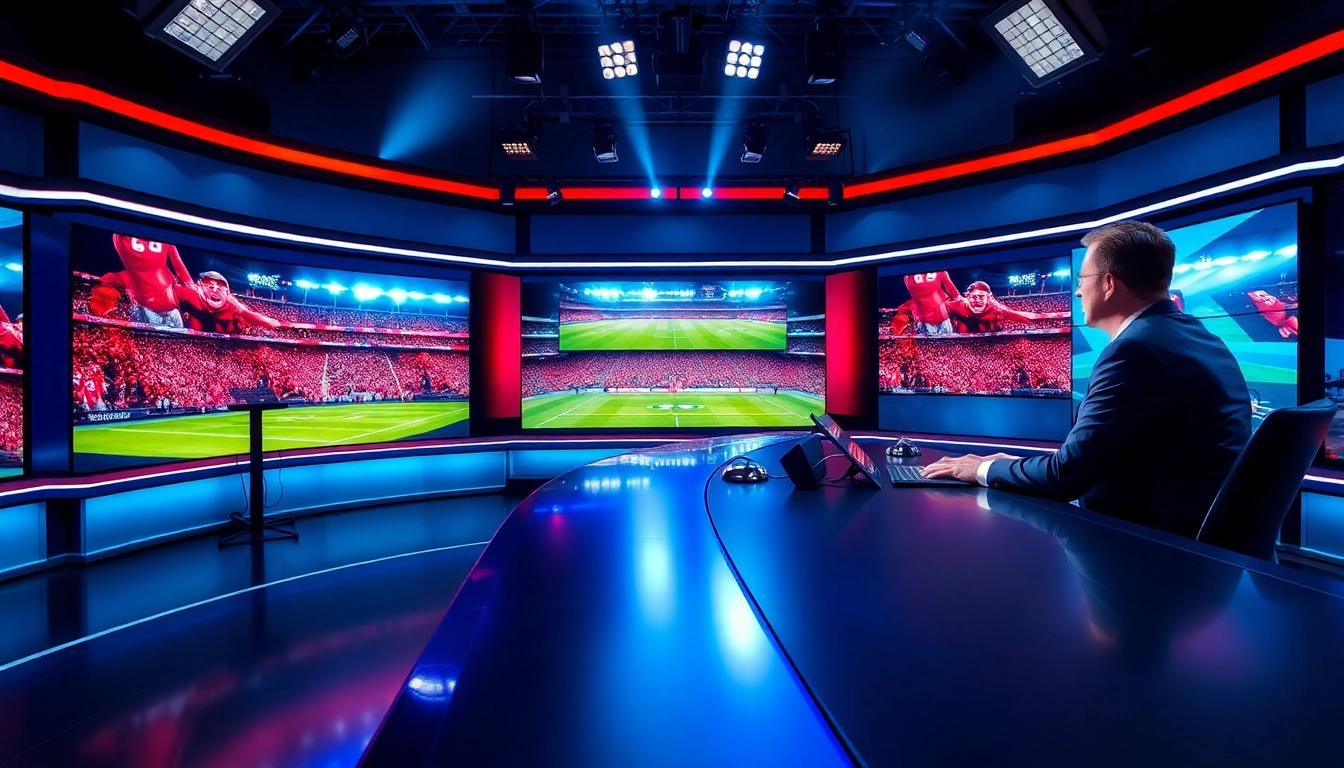
Understanding Sports Broadcasting Dynamics
Sports broadcasting has evolved significantly over the past few decades, becoming a key component of the sports industry by ensuring that fans have access to their favorite events and teams. From radio broadcasts to streaming platforms, the landscape of Sports Broadcasting continues to change, driven by advancements in technology and shifts in audience behavior. To truly appreciate the dynamics of sports broadcasting, it is essential to understand the role that technology plays, the key elements that contribute to its success, and emerging trends that are shaping the future.
The Role of Technology in Sports Broadcasting
Technology is at the heart of modern sports broadcasting and has transformed how events are produced and consumed. In this section, we will explore various technologies shaping the industry. Key innovations include:
- High-definition cameras: Advances in camera technology allow for clearer images, enhancing the viewer experience.
- Instant replay: The introduction of instant replay provides audiences with the ability to relive key moments and review controversial calls during games.
- Streaming technology: Services such as over-the-top (OTT) streaming allow consumers to watch events on their devices without the need for traditional cable services.
- Augmented Reality (AR) and Virtual Reality (VR): AR and VR have begun to introduce immersive experiences, allowing viewers to engage with content in innovative ways.
Key Elements of Successful Sports Broadcasting
Several key elements contribute to successful sports broadcasting. Understanding these elements is vital for creating compelling broadcasts that resonate with audiences:
- Expert commentary: Engaging and knowledgeable commentators give context and insight to the events, enhancing viewer understanding.
- Storytelling: Every game has its narratives, and well-told stories can draw viewers emotionally into the experience.
- Production value: High production value, including graphics and animations, makes broadcasts visually appealing.
- Viewer engagement: Interactive elements, such as polls and social media integration, encourage viewer participation.
Emerging Trends in Sports Broadcasting
The sports broadcasting industry is continually evolving, with new trends influencing how content is distributed and consumed. Key trends include:
- Mobile consumption: Increasing smartphone use has driven a rise in mobile broadcasts, allowing fans to watch games on the go.
- Personalization: Tailoring content to individual preferences provides fans with a more engaging experience, ensuring they see the content that matters to them.
- Data analytics: Analyzing viewer data helps broadcasters understand audience preferences, informing content strategy and enhancing interactions.
- Global reach: Sports broadcasts are now accessible worldwide, broadening audiences and expanding fan bases.
Essential Skills for Sports Broadcasting Professionals
To be successful in the realm of sports broadcasting, individuals must possess a diverse set of skills. This section will cover the three core areas of competency: communication, analytical, and technical skills.
Communication Skills in Sports Broadcasting
Effective communication is paramount in sports broadcasting. Broadcasters must have the ability to articulate thoughts clearly and engage audiences through their words. Here are some critical elements of communication skills:
- Clarity: Broadcasters must convey information in an understandable manner, especially during fast-paced situations.
- Engagement: Engaging storytelling can captivate the audience and create a more compelling viewing experience.
- Adaptability: Broadcasters need to adjust their communication style based on different sports, teams, and audience demographics.
Analytical Skills for Sports Broadcasting
Analytical skills play an indispensable role in understanding and interpreting sports data. Successful broadcasters can analyze statistics, trends, and player performance effectively. Important aspects include:
- Interpreting statistics: Being able to analyze and communicate complex statistics can greatly enhance commentary.
- Trend analysis: Understanding trends within the sport helps in providing relevant context and commentary during broadcasts.
- Viewer analysis: Analyzing viewer feedback assists broadcasters in adjusting strategies and improving content delivery.
Technical Skills for Effective Broadcasting
In addition to communication and analytical abilities, technical expertise is crucial for sports broadcasting. Professionals in this field must be proficient with various broadcasting tools and platforms. Key technical skills include:
- Audio and video editing: Familiarity with editing software is essential for creating polished content.
- Operating broadcasting equipment: Technical knowledge of cameras, microphones, and production software contributes to successful broadcasts.
- Understanding software platforms: Knowledge of different streaming platforms and broadcasting software enhances the overall viewing experience.
Building a Sports Broadcasting Platform
Establishing a sports broadcasting platform requires thoughtful planning and execution. This section will discuss critical components to consider, including equipment selection, space setup, and scheduling.
Choosing the Right Equipment for Sports Broadcasting
Quality broadcasting equipment is essential for delivering high-caliber content. Key equipment considerations include:
- Cameras: Invest in high-definition cameras for clear visuals.
- Microphones: Use high-quality microphones to ensure clear audio during broadcasts.
- Switchers and mixers: These tools enhance production quality by managing multiple camera feeds and audio sources.
Setting Up Your Sports Broadcasting Space
Creating an effective broadcasting space involves selecting the right environment and organizing equipment appropriately. Considerations include:
- Soundproofing: Minimizing background noise improves audio quality significantly.
- Lighting: Proper lighting enhances visual quality and minimizes shadows.
- Layout: Organizing the workspace for optimal efficiency helps streamline the broadcasting process.
Developing a Broadcast Schedule
A cohesive broadcast schedule is vital for consistency and audience loyalty. Steps in developing a successful schedule include:
- Identifying target events: Researching popular sports events and trends to find the best opportunities for broadcasting content.
- Scheduling frequency: Regular broadcasts help maintain audience interest and retention.
- Incorporating viewer feedback: Adjusting the schedule based on audience input can enhance viewer satisfaction.
Creating Engaging Content in Sports Broadcasting
Engaging content is crucial for capturing and retaining an audience. This section will explore effective content creation strategies in sports broadcasting.
Storytelling Techniques in Sports Broadcasting
Storytelling is a powerful tool in sports broadcasting, as it connects with viewers on an emotional level. Techniques to enhance storytelling include:
- Building narrative arcs: Identify conflicts and resolutions within game so audiences become emotionally invested.
- Developing character profiles: Highlighting player backgrounds humanizes the sport and captivates viewers.
- Utilizing historical context: Referencing past matches and events can add depth to current broadcasts.
Utilizing Social Media for Sports Broadcasting
Social media is a powerful platform for enhancing sports broadcasts and engaging with fans. Strategies for effective social media use include:
- Live updates: Provide real-time updates during games to keep followers informed and engaged.
- Interactive content: Create polls, quizzes, and contests to foster audience interaction.
- Behind-the-scenes content: Share exclusive content to create a sense of community around your broadcasts.
Audience Engagement Strategies in Sports Broadcasting
Audience engagement is vital for the success of any sports broadcasting initiative. Effective strategies include:
- Feedback loops: Encourage viewer feedback to adjust broadcast content according to audience desires.
- Community building: Establish forums or groups for fans to engage with each other and share experiences.
- Q&A sessions: Hosting Q&A segments allows fans to connect with broadcasters and players directly.
Measuring Success in Sports Broadcasting
Measuring success is crucial for continuous improvement in sports broadcasting. Understanding key performance indicators (KPIs) allows broadcasters to adapt and refine their approach. This section identifies essential metrics, analyzes viewer feedback, and discusses adapting to industry trends.
Key Performance Indicators for Sports Broadcasting
To gauge the success of a sports broadcasting initiative, tracking key performance indicators is essential. Critical KPIs include:
- Viewership numbers: Monitoring viewer statistics informs decisions regarding content and frequency.
- Engagement rates: Analyzing likes, shares, and comments highlights how well content resonates with audiences.
- Revenue generated: Assessing the financial performance of broadcasts provides insight into profitability.
Analyzing Viewer Feedback in Sports Broadcasting
Feedback from viewers is invaluable for continuous improvement. Strategies for analyzing and implementing feedback include:
- Surveys: Conduct surveys to gather insights about viewer preferences and satisfaction.
- Social media monitoring: Pay attention to comments and conversations across social media channels.
- Focus groups: Gather a sample group of dedicated fans for in-depth discussions on content and delivery.
Adapting to Trends in Sports Broadcasting Performance
The ability to adapt to changing trends is crucial for success in sports broadcasting. Strategies for adapting include:
- Staying informed: Regularly research industry news and emerging trends to stay ahead of the curve.
- Pivoting content strategies: Be flexible and willing to change content based on audience interest and market demand.
- Experimenting: Test new formats, platforms, and technologies to find unique ways to engage with audiences.
Frequently Asked Questions about Sports Broadcasting
What is sports broadcasting?
Sports broadcasting refers to the distribution of sports content to audiences via television, radio, or online platforms, enabling fans to watch or listen to live events.
What skills are essential for a sports broadcaster?
Key skills include effective communication, analytical abilities, technical expertise, and strong storytelling capabilities necessary for engaging audiences.
How does technology impact sports broadcasting?
Technology enhances the viewer experience through higher quality visuals, instant replay features, and real-time data analytics, significantly improving content delivery.
What trends are currently shaping sports broadcasting?
Current trends include mobile consumption, personalized content experiences, increased use of social media, and the global reach of broadcasts.
How is success measured in sports broadcasting?
Success is gauged through key performance indicators like viewership numbers, audience engagement metrics, and revenue generated from broadcasts.